
How do I substitute oil for butter, or vice versa?

Butter and oil are two very similar but not identical fats. Their main differences are, first and most obvious, that one is liquid and the other is solid; and the other, less well known, is that butter contains a certain percentage of water that oil doesn't.
The first difference affects a recipe in the way the butter is added, since you can beat this ingredient on its own or with others, which traps air, and in the final preparation that adds a fluffiness to the result that doesn't happen when you do the same thing with oil.
The second difference is in the amount added, since if the original recipe calls for 100 grams of butter, only 84% of that is actually fat (the rest is water).
- So Fede, how do I substitute oil for butter?
Butter is usually one of the first ingredients added, beaten together with others; this captures a lot of air, the mixture gains volume, and that way the result turns out nice and fluffy after baking. That doesn't happen if we simply swap it for oil, but we have another way to trap air with this ingredient.
In this case we're going to completely change the order of the ingredients: we won't start with the oil but with the eggs in the recipe. Put them in a bowl and beat them for a good few minutes — this will make them gain a lot of volume — then continue adding the oil while you keep beating. And finally, add the rest of the ingredients. This way the preparation will have as much air incorporated as its butter-based equivalent.
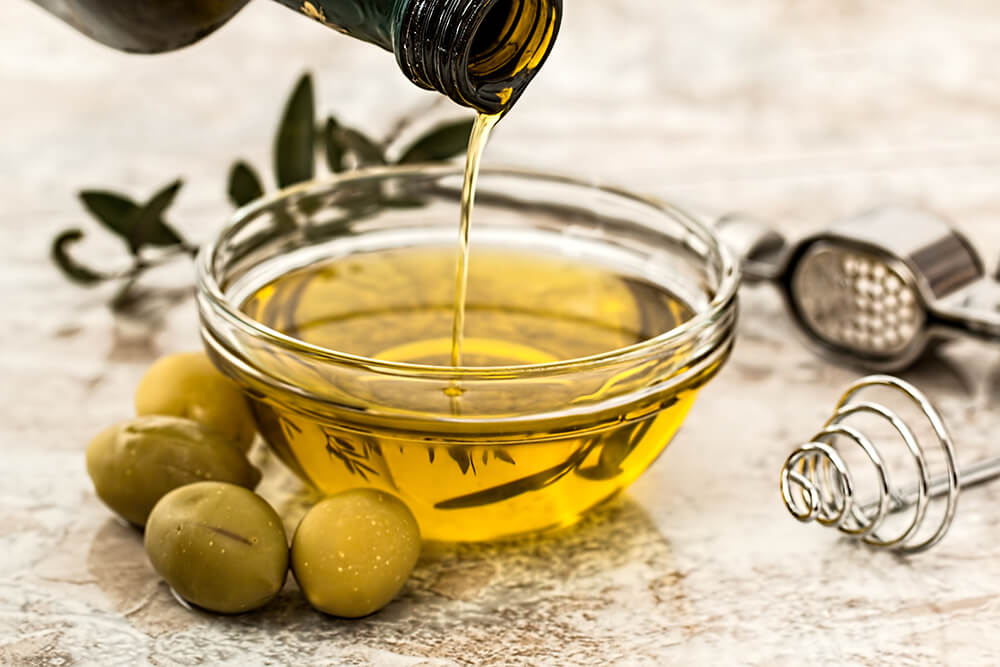
Finally, the only thing to keep in mind is the amount of oil to use for the substitution, because of the water content in butter. Here's a table that will come in handy:
- 50 g butter -> 42 g oil
- 100 g butter -> 84 g oil
- 150 g butter -> 126 g oil
- 200 g butter -> 164 g oil
- 250 g butter -> 210 g oil
- 300 g butter -> 252 g oil
-Ahh, now it's much clearer. And can oil be replaced with butter?
Yes, and this time it's much easier: simply melt it and add it the same way the oil would go into the recipe. To know how much to use as a replacement, you can follow this other table:
- 50 g oil - 60 g butter
- 100 g oil - 119 g butter
- 150 g oil - 179 g butter
- 200 g oil - 238 g butter
- 250 g oil - 298 g butter
- 300 g oil - 357 g butter
And finally, if you don't feel like doing the conversion with the tables, don't worry too much — the difference is so small that it most likely won't significantly affect the recipe. It's always better to cook than to doubt!
Want to keep reading? There are more tips and articles waiting for you.
More baking tips →